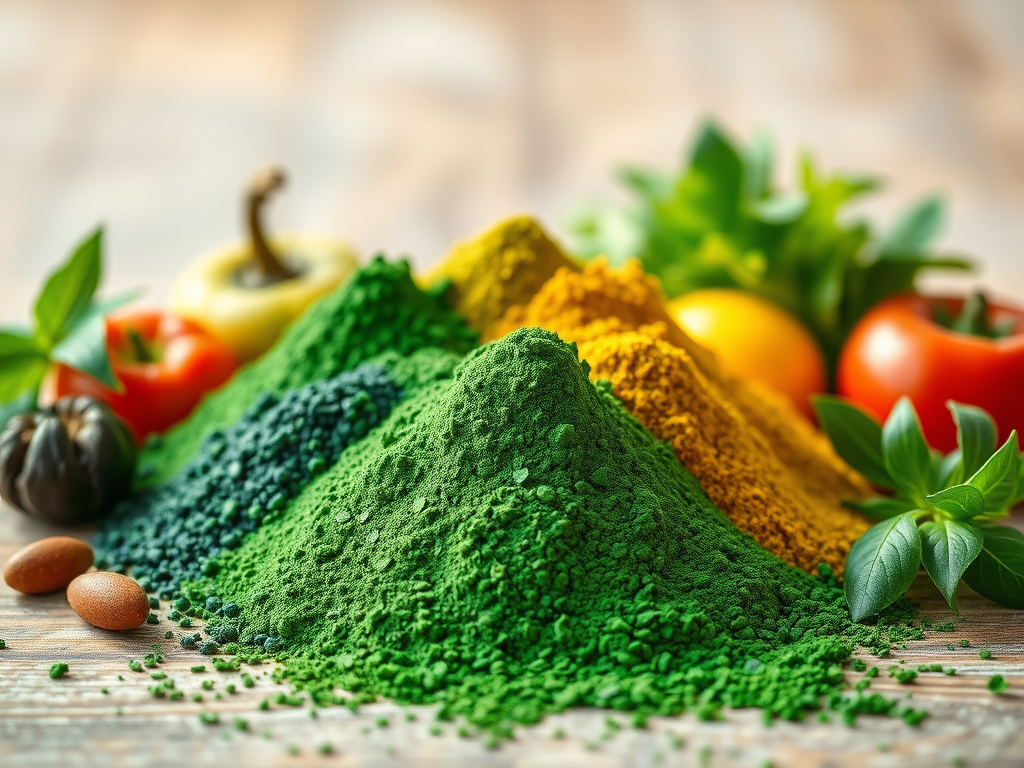
I’m not a supplement evangelist. If anything, I tend toward skepticism when something gets heavily marketed in the wellness space, because the incentives in that industry don’t always run parallel to what actually helps people. But super greens powders are one category I’ve found genuinely useful — not as a shortcut or a cure, but as a practical tool for getting more nutrient-dense plant material into a day when whole produce isn’t always accessible or easy to prepare.
That said, not all greens powders are created equal, and they deserve an honest look rather than uncritical promotion.
In This Article
What Super Greens Powders Actually Are
Super greens powders are concentrated blends of nutrient-dense plants, typically including ingredients like spirulina, barley grass juice powder, wheatgrass, chlorella, and sometimes probiotic cultures or digestive enzymes. The goal is simple: provide a concentrated source of plant nutrients in a form that’s easier to consume than eating large volumes of raw greens daily.
The nutrient profiles of these ingredients are real. Spirulina is a complete protein source and is rich in B vitamins, iron, and antioxidants. Barley grass and wheatgrass contain chlorophyll, vitamins C and K, and trace minerals. These are not invented benefits — though the degree to which powdered and processed forms retain the same nutritional activity as fresh whole foods is a legitimate open question that not enough manufacturers address honestly.
Chlorophyll, Detox, and What the Evidence Actually Shows
Chlorophyll — the green pigment in plants — is often marketed in sweeping terms as a powerful detoxifier and skin enhancer. The honest version is more nuanced. Research does suggest chlorophyll has antioxidant properties and may have some benefit in reducing aflatoxin-related DNA damage (a specific type of carcinogen exposure), but broad claims about chlorophyll “cleansing the liver” or being a universal detoxifier exceed what the clinical evidence currently supports. I think it’s useful, but I’m cautious about the way it gets described in marketing.
What I do think is well-supported: increasing overall plant nutrient intake tends to reduce oxidative stress, support gut microbiome diversity, and provide minerals and antioxidants that many people aren’t getting enough of from their standard diet. Greens powders can help with that, particularly for people who don’t eat a lot of vegetables by default.
What to Look for in a Greens Powder
If you’re going to use one, quality matters significantly. Look for organic, non-GMO sourcing. Avoid products with heavy artificial sweeteners, fillers, or proprietary blends that obscure what’s actually in them and at what doses. Third-party testing for heavy metals is important — greens powders concentrate plant material, which means they can also concentrate whatever was in the soil the plants grew in, including lead and arsenic if the sourcing isn’t clean. This isn’t a hypothetical concern: Consumer Reports and independent testing labs have found detectable heavy metals in some greens powder products.
💊 A Supplement Source I Trust
Sourcing and third-party testing matter enormously with greens powders — Vimergy is one of the few brands I trust to get this right.
What They Won’t Replace
A greens powder is a supplement, not a substitute. It won’t replace a whole-food diet, and I’d be cautious about anyone marketing it as though it does. Fresh fruits and vegetables contain fiber, water content, and phytonutrient combinations that powders don’t fully replicate. The goal should be to use greens powders as a practical bridge — filling gaps in days when whole produce intake is lower than ideal — not as a replacement strategy. Always consult a healthcare professional before adding any new supplement to your routine, particularly if you’re on medications that may interact with certain plant compounds.
The Real Thing, Delivered
Since powders are a bridge and not a replacement, I keep the actual produce coming too. Farm Fresh To You delivers organic fruits and vegetables to the door. My referral code DAVI7449 gets you $15 off your first box.
Want the complete Lifestyle Foundations Essentials guide?
The six core pillars that quietly determine whether everything else you’re doing actually works.
Sources & References:
- NIH/PubMed — Spirulina: Nutritional and therapeutic perspective
- NIH/PubMed — Chlorophyllin intervention reduces aflatoxin-DNA adducts
- Consumer Reports — Heavy metals in supplements
- FDA — Dietary Supplements Overview
Disclaimer
This content is for informational purposes only and is not a substitute for professional medical advice, diagnosis, or treatment. Always consult a qualified healthcare professional before making any changes to your health regimen, including medications, diet, exercise, or supplementation. David Julian, Natural Vitality Advocate, is not a licensed medical professional. Views expressed are personal and based on lived experience — they do not guarantee specific outcomes. David Julian is not affiliated with Natural Vitality or NaturalVitality.com.