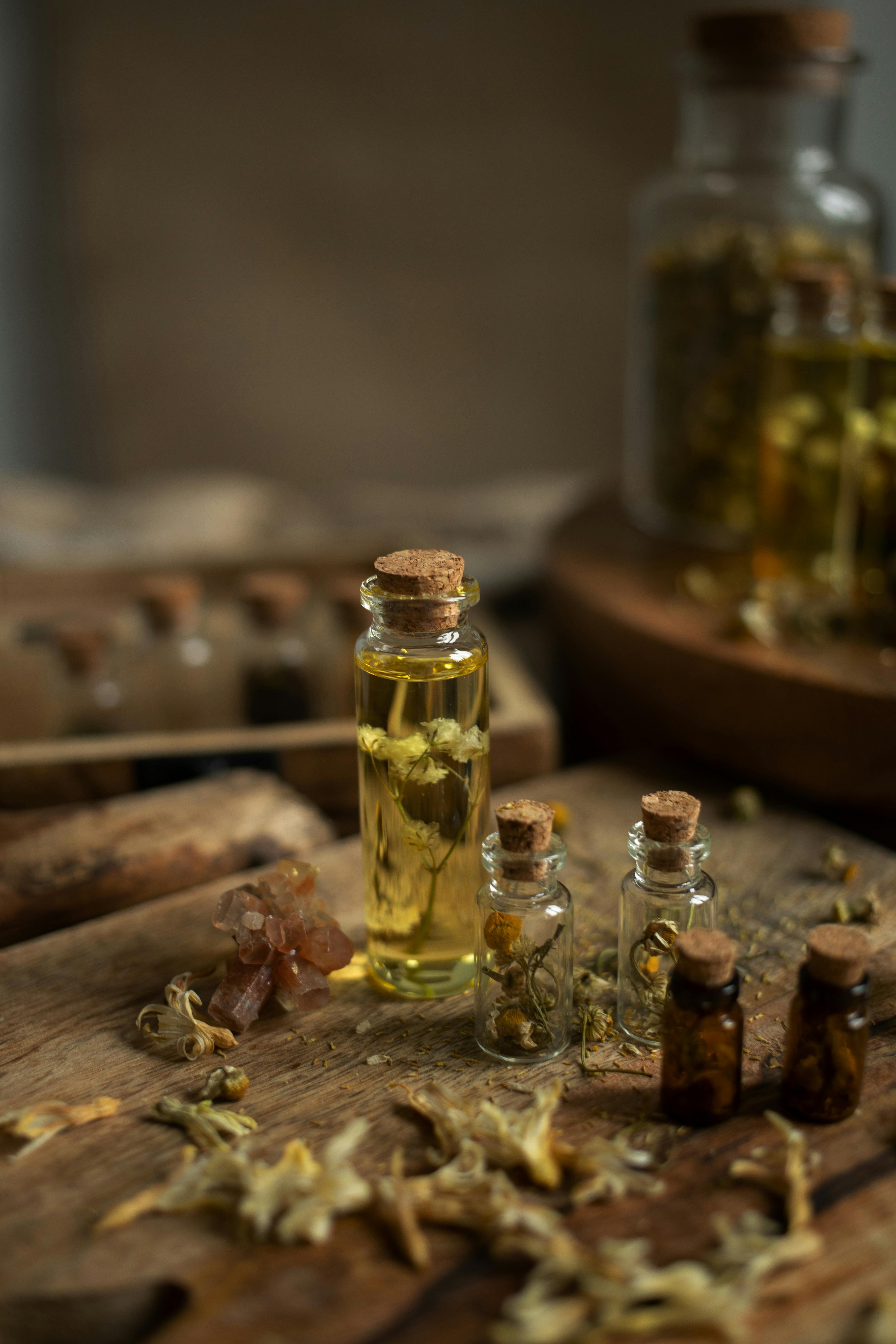
Essential oils occupy a strange place in wellness discourse — dismissed by some as pseudoscience, oversold by others as a cure for nearly everything. The honest picture sits somewhere in the middle. There is real, published research on how certain aromatic compounds interact with the brain via the olfactory system, and there are real limits to what that research actually demonstrates. I use essential oils as one small piece of a broader routine, not as a primary intervention for anything serious.
In This Article
How Scent Actually Reaches the Brain
The olfactory system has a uniquely direct anatomical connection to the limbic system — the brain region involved in emotion, memory, and arousal. When you inhale an aromatic compound, it can trigger a rapid response in this system before conscious processing even occurs, which is part of why smell is so strongly tied to memory and mood. This is a real, well-documented mechanism, not a fringe claim.
What the Research Actually Shows
Lavender has the most robust research base of any essential oil for anxiety and sleep. Multiple randomized controlled trials have found modest but measurable reductions in self-reported anxiety and improvements in sleep quality with lavender aromatherapy or oral lavender oil preparations. Rosemary has some preliminary evidence suggesting a possible effect on cognitive performance and alertness, though the studies are smaller and less consistent than the lavender research. Peppermint has modest evidence for reducing mental fatigue and improving alertness in some studies, likely through a combination of scent and the cooling sensation of menthol. Frankincense has far less rigorous research behind it — most of what circulates about its cognitive or anti-inflammatory effects is preliminary, in vitro, or based on traditional use rather than controlled human trials.
Where the Evidence Runs Out
What essential oils are not: a treatment for neurological conditions, a substitute for sleep hygiene or stress management, or a reliable tool for major cognitive enhancement. The effect sizes in most of this research are modest, and much of it involves small sample sizes. I’d put essential oils in the category of “pleasant, low-risk, modestly supported” rather than anything more dramatic than that.
How I Actually Use Them
I diffuse lavender in the evening as part of a broader wind-down routine that also includes reduced screen time and consistent sleep timing — the oil is a small supporting piece, not the intervention itself. I use peppermint occasionally during the day when I need a mental reset. I’m careful about sourcing — look for oils that are third-party tested and free of synthetic fillers, since the essential oil market has minimal regulatory oversight and quality varies widely between brands.
🛒 Shop This Category
A quality diffuser and well-sourced oils make a meaningful difference — here’s where to start.
A Few Practical Cautions
Essential oils are concentrated and can cause skin irritation if applied directly without dilution. Some oils interact with medications or are not safe during pregnancy — check with a healthcare provider if either applies to you. And if you have a seizure disorder, certain oils (particularly rosemary and eucalyptus in high concentrations) have been associated with lowering seizure threshold in some case reports, so it’s worth discussing with a neurologist before regular use.
Want the complete Healing Systems Overview?
A practical framework for evaluating natural healing approaches with clear eyes — what’s evidence-based, what’s promising, and what to be skeptical of.
Sources & References:
- NIH/PubMed – Lavender and anxiety: a systematic review
- NIH/PubMed – Rosemary aroma and cognitive performance
- NIH/PubMed – Aromatherapy and the limbic system
Disclaimer
This content is for informational purposes only and is not a substitute for professional medical advice, diagnosis, or treatment. Always consult a qualified healthcare professional before making any changes to your health regimen, including medications, diet, exercise, or supplementation. David Julian, Natural Vitality Advocate, is not a licensed medical professional. Views expressed are personal and based on lived experience — they do not guarantee specific outcomes. David Julian is not affiliated with Natural Vitality or NaturalVitality.com.