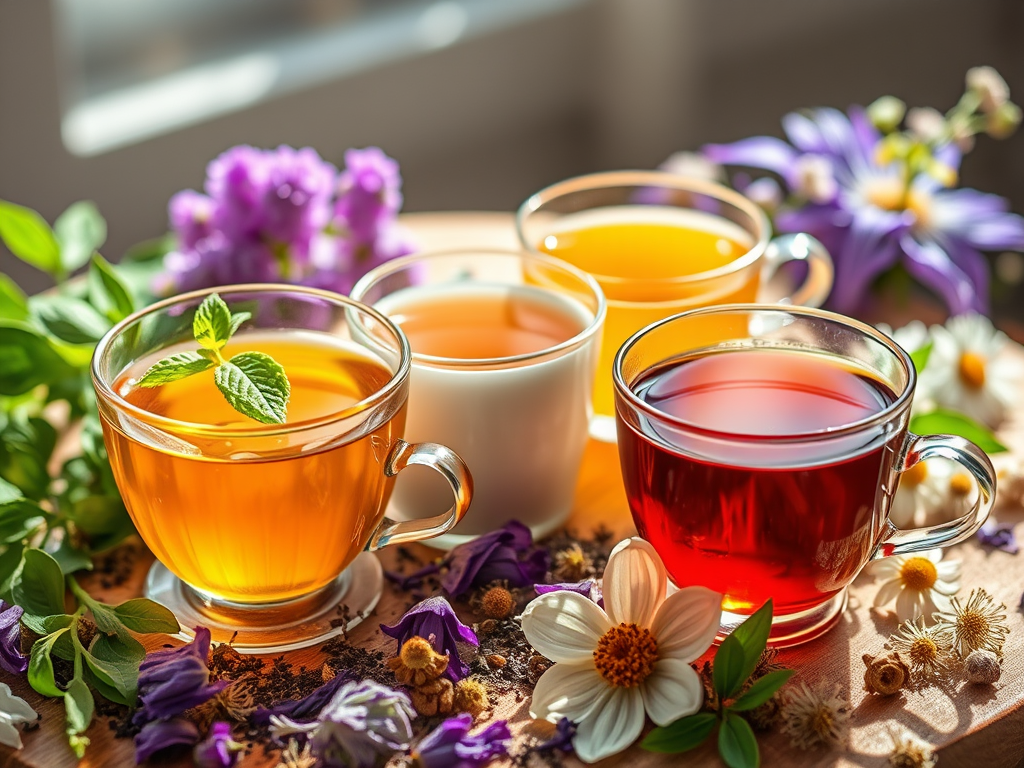
Most people think about tea the way they think about coffee — as a quick hit of energy, a moment of comfort, maybe a ritual. What I’ve learned over years of intentional practice is that tea becomes something much more valuable when you stop treating it casually and start treating it like medicine. Not dramatic medicine. Quiet medicine. The kind that works because you use it every single day with attention.
This isn’t about finding the one miraculous herb or the perfect blend that changes everything overnight. That’s the wellness industry talking, and it’s usually wrong. What actually works is building a system — simple inputs, used consistently, with the kind of awareness that notices what’s actually happening in your body instead of what you hope is happening. That’s where real results come from.
In This Article
Why a System Works
Your body doesn’t exist in isolation. Your nervous system talks to your digestion, which talks to your energy, which talks to your sleep. When you’re intentional about supporting digestion at midday, your afternoon energy stabilizes. When you’re deliberate about calming your nervous system in the evening, your sleep deepens. The teas aren’t magic. The consistency is.
Most people quit herbal practices after a few weeks because they expect immediate transformation. They don’t get it, so they assume the tea doesn’t work. What’s actually happening is that subtle shifts are building underneath — improved digestion, steadier energy, a nervous system that doesn’t spike as easily. These changes take two to four weeks to become obvious. If you’re looking for results faster than that, you’re not actually looking for healing. You’re looking for a quick fix, and healing doesn’t work that way.
The Seven Teas and What They Actually Do
I’ve chosen seven specific teas after years of experimentation and research. Each one serves a particular function. Together, they create balance — morning activation without stimulation, digestive support around meals, evening calm without sedation. I use all of them certified organic, which matters more than most people realize.
Lemon balm is the gentle workhorse of this system. It’s a nervine, which means it supports your nervous system without forcing anything. You can drink it every single day without your body adapting and losing the effect. It calms digestion, steadies mood, and works beautifully in the evening. It’s mild enough that it plays well with other herbs, but purposeful enough that it actually does something. I’ve used it consistently for years.
Peppermint is digestive support at its most straightforward. It cools inflammation in the gut, clears mental fog, and actually improves with age in storage — the opposite of most herbs. I use it around my main meal because it supports the breakdown and absorption of food. The key with peppermint is restraint. Its cooling nature means too much in the evening can actually keep you awake. Respect the herb’s power and use it intentionally.
Rooibos is the bridge tea — the one that gives you sustained, gentle energy without stimulation or the crash that comes from caffeine. It’s naturally sweet, mineral-rich, and caffeine-free, which means you can drink it morning or afternoon without it interfering with your sleep. I use it as my morning activation without the nervous system hijacking that coffee or regular tea brings.
Hibiscus brings brightness and tartness. It’s a potent antioxidant and supports circulation, but it’s also visually striking and flavors beautifully in blends. A little goes a long way. Its tartness balances heavier or sweeter herbs. Don’t overuse it or it overpowers everything else.
Tulsi — also called holy basil — is an adaptogen, which means it helps your body manage stress without sedating you. It’s warming, grounding, and especially valuable in winter or when you’re managing sustained stress. It’s a staple if you’re dealing with any kind of nervous system load. I use it in evening rotations specifically because it doesn’t just calm you down; it builds resilience over time.
Dandelion root is the bitter herb that supports liver function and stimulates bile production. Most people avoid bitters because we’ve been trained to expect sweetness in everything. Quality organic dandelion root is actually pleasant — earthy and grounding. It requires higher brewing temperatures than delicate herbs, but it rewards you with deep extraction and long shelf life. Use it around your main meal for digestive support.
Decaf green tea bridges morning and afternoon. It gives you the antioxidant polyphenols of regular green tea without the caffeine interference. For people sensitive to stimulation or those who want afternoon hydration without disrupting sleep, this is the answer.
Want the full system in one place?
Download the complete Daily Herbal Tea System guide — all seven teas, the daily rhythm, and how to build consistency that actually works.
Why Organic Actually Matters
This is one place where I don’t compromise. Conventional herbs accumulate pesticide residue. In delicate plants like lemon balm and chamomile, that concentration is significant. USDA certified organic guarantees no synthetic pesticides. Third-party certifications like Oregon Tilth or CCOF add another layer of assurance. Yes, organic costs more. The quality difference justifies it.
Store your herbs in airtight glass containers, in a cool dark place, away from strong odors. Dried herbs stay potent when stored properly. The best indicator of freshness is your senses — replace your tea when the flavor and aroma noticeably weaken. This typically happens within twelve to eighteen months, but it varies based on storage conditions.
Loose Leaf, Always
Tea bags contain microplastics and fannings — that dust and broken leaf fragments at the bottom of commercial tea. This reduces surface area for extraction and delivers lower-quality plant material. Loose leaf gives you whole leaves and herbs, better nutrient bioavailability, superior flavor, and more control over your brew. The cost difference is minimal. The quality difference is massive. This is non-negotiable.
Brewing Temperature and the Science Behind It
Temperature determines what compounds actually extract from the herb. This isn’t arbitrary. It matters.
Delicate herbs like lemon balm and tulsi need approximately 160 to 170 degrees Fahrenheit for five to seven minutes. Too hot and you pull out compounds that make them taste bitter and lose their subtlety.
Standard herbs like peppermint, hibiscus, and rooibos work best at approximately 190 to 200 degrees for eight to ten minutes. This temperature range extracts their full character without damaging the more delicate components.
Hardy roots like dandelion root and decaf green tea need approximately 200 to 212 degrees or hotter for ten to fifteen minutes. They’re dense and require real heat for proper extraction. When you’re brewing peppermint and dandelion root together at midday, use the higher temperature range to accommodate the root.
Use a simple kitchen thermometer or an electric kettle with temperature control. These are flexible guidelines, not rigid rules. Adjust based on your taste preference and what actually works for your body.
Your Daily Rhythm
Morning, between six and eight AM — rooibos and hibiscus. Light hydration and circulation support. Caffeine-free activation that eases you into the day without overstimulation.
Midday, between noon and two PM — peppermint and dandelion root. Digestive support, bile flow stimulation, and comfort around your main meal. This is when your body needs the most digestive assistance.
Evening, between five and seven PM — tulsi, chamomile, and lemon balm. Calm, recovery, and nervous system downshift. Rotate these three every three to four days so your body doesn’t adapt and stop responding. When you rotate, your body stays responsive.
The principle is simple: light and hydrating in the morning, digestive support around your main meal, calming and grounding in the evening. This progression works with your natural rhythms instead of against them.
Quantities and Practical Use
Per cup, use one teaspoon of loose leaf tea. Adjust to your taste preference. Most people drink two to four cups daily. Morning and midday should happen before three PM so they don’t interfere with your evening calm. Evening tea can start after five PM. Listen to your body. If something isn’t working, adjust it.
How You’ll Know It’s Actually Working
The changes are subtle at first. More stable energy — no afternoon crashes where you hit a wall and need stimulation to recover. Improved digestion and comfort, especially around meals. A steadier nervous system that doesn’t spike as easily in response to stress. Less reliance on stimulants because your body isn’t running on fumes. Better sleep quality because your evening system is actually supported. These changes take two to four weeks to become obvious. Consistency matters more than perfection. One cup a day, every single day, beats perfect adherence three days a week.
Seasonal Adjustments
Summer calls for cooling herbs — emphasize rooibos and hibiscus. Use sun brewing more often. It’s gentler extraction and creates a lighter, often sweeter tea that works better in heat.
Winter shifts toward warming roots and grounding herbs. Emphasis on dandelion and tulsi. Use hot brewing exclusively. The warmth supports your body’s need for grounding during darker months.
Spring and fall work fine with your standard rotation. The in-between seasons don’t demand the same adjustments.
Beyond These Seven
This seven-tea framework provides solid foundation and balance. Many people find it complete. Others choose to explore additional herbs rotationally — based on their individual needs, preferences, seasonal shifts, or simple curiosity about how different plants affect their specific body. There’s room for that exploration. Pay attention to how different herbs actually affect your energy, digestion, sleep, and nervous system state. What works for one person may not work for another. The principle remains constant: consistency, awareness, practical daily use.
Making This Your Own
This is a system, not a rigid formula. You’re not breaking rules if you adjust it. If you want more energy, extend your morning rooibos and hibiscus; reduce your evening blends slightly. If you want deeper calm, add extra tulsi and reduce peppermint. If you’re dealing with digestive issues, emphasize peppermint and dandelion initially and reduce other herbs. The goal is consistency, awareness, and practical use that actually fits your life.
The Mechanics: Equipment and Sourcing
You need an infuser — a stainless steel mesh basket or ball infuser works perfectly. It allows full leaf expansion, which is crucial for extraction quality. Avoid paper filters and plastic. Use a teapot or mug made from glass or ceramic. Stainless steel works. Avoid aluminum because it reacts with tannins and can affect flavor.
A simple kitchen thermometer or electric kettle with temperature display is worth the investment. You’ll use it constantly.
Buy loose leaf tea from suppliers specializing in certified organic herbs. Look for USDA organic certification and recent harvest dates. Specialty tea retailers, health food stores with good turnover, and established organic suppliers are your best sources. Avoid bulk bins at conventional grocery stores — cross-contamination is real.
You can browse my Home & Lifestyle Essentials collection on Amazon for curated tea and supplement options aligned with this system. Everything there has been vetted for quality and sourcing.
The Honest Bottom Line
These teas are not medical treatments. They’re not substitutes for professional medical advice. If you take medications or have health conditions, consult your doctor before adding new herbs. Some herbs interact with pharmaceuticals. This matters especially if you’re pregnant, nursing, or have specific health vulnerabilities. I’m very conscious of herb-drug interactions. I’ve chosen these teas specifically because they’re gentle and work well alongside conventional medical care. That’s by design.
This system is built from my personal practice, informed by my own health concerns, my medications, and years of attention to what actually works versus what sounds good. It’s not theory. It’s lived experience.
Simple inputs. Used consistently. With intention.
That’s where results actually come from.