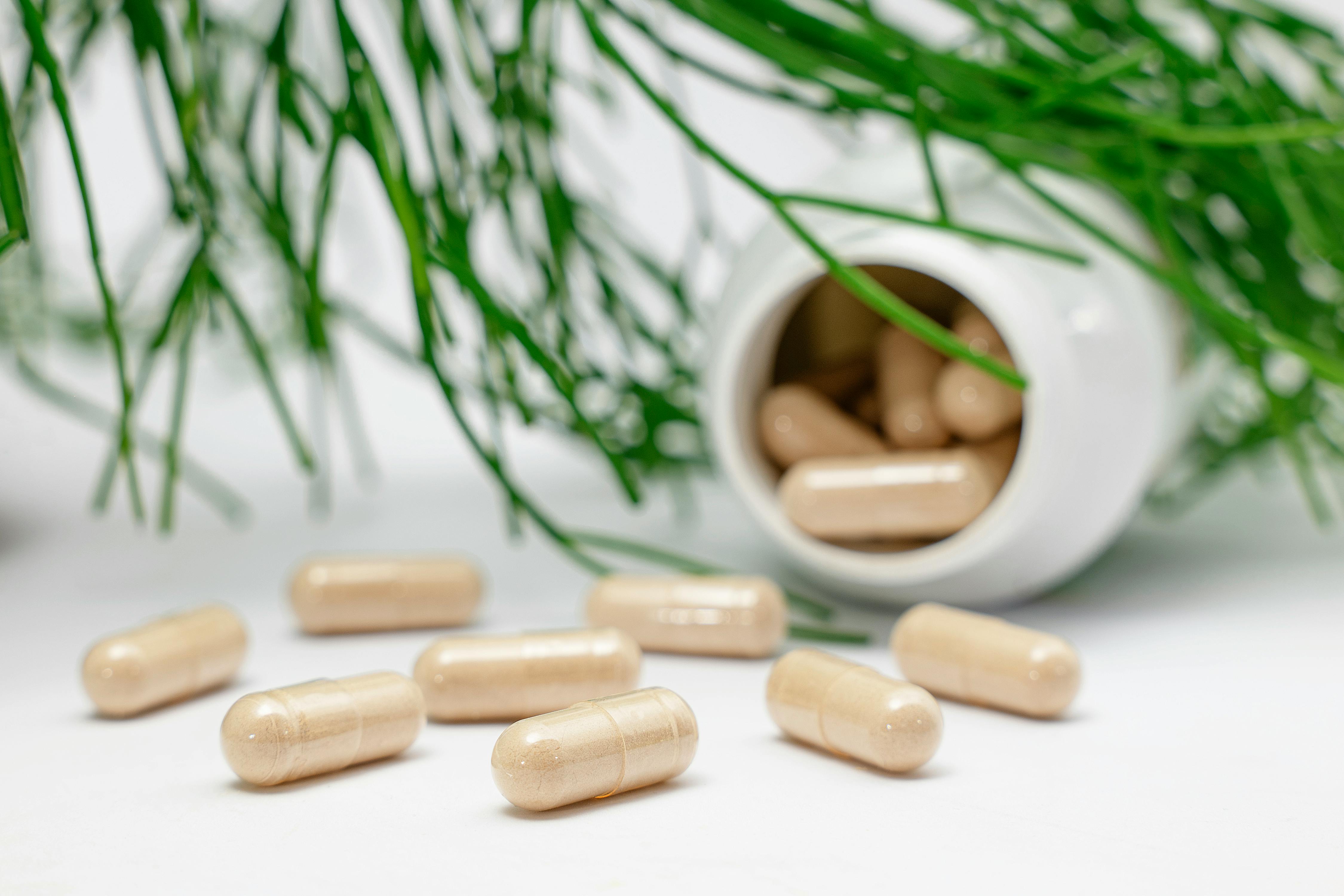
“Health food” is a marketing category, not a regulatory one. There’s no legal requirement that a product labeled or perceived as healthy actually be free of contamination, filler, or misleading claims. That gap between perception and reality is where real problems live — not in some conspiracy about the food supply, but in ordinary quality-control failures that get less scrutiny because the product already has a “health halo.”
In This Article
Heavy Metals in “Clean” Products
Rice, dark chocolate, protein powders, and greens powders have all shown up in independent testing with detectable levels of lead, cadmium, or arsenic — not because someone added them intentionally, but because these plants concentrate whatever is in the soil or water they’re grown in. Consumer Reports and other independent labs have published testing data on this repeatedly. The products aren’t inherently dangerous, but sourcing and testing practices vary enormously between brands, and cheaper products often cut corners here specifically because most consumers never think to check.
The Supplement Regulatory Gap
Dietary supplements in the United States are regulated under a framework (DSHEA) that treats them more like food than like drugs. The FDA doesn’t approve supplements before they go to market, and the burden of proving a product unsafe generally falls on the FDA after the fact, rather than on the manufacturer beforehand. This means quality, dosage accuracy, and contamination testing vary widely and are largely voluntary on the manufacturer’s part unless a company chooses third-party certification (like NSF, USP, or Informed Sport).
“Natural” and “Organic” Don’t Mean What Marketing Implies
“Natural” has essentially no enforced legal definition on food labels. “Organic” has a real regulatory standard, but it governs how something was grown or processed — it says nothing about heavy metal content, contamination, or nutritional superiority. A product can be certified organic and still contain measurable contaminants absorbed from soil or water. Neither label is a guarantee of purity, even though both are used that way in marketing.
What Actually Reduces Risk
Look for third-party testing certifications (NSF Certified for Sport, USP Verified, Informed Choice) rather than trusting front-of-label claims alone. Diversify sources — don’t rely on one brand of rice or one greens powder as a daily staple, since that concentrates any single product’s risk. Be skeptical of proprietary blends that don’t disclose exact ingredient amounts. And recognize that price is a weak but real signal — rigorous testing and clean sourcing cost money, and products priced dramatically below competitors are cutting corners somewhere.
💊 A Supplement Source I Trust
This is exactly why I’m selective about where my supplements come from — Vimergy is one of the few brands I trust to actually test for what they claim.
The Balanced Conclusion
None of this means you should be afraid of rice, chocolate, or supplements generally. Whole foods and well-sourced supplements remain a foundational part of a healthy diet, and the doses of trace contaminants found in most testing are well below levels of acute concern for occasional or moderate consumption. The point isn’t fear — it’s informed selectivity. Know what to look for, diversify your sources, and don’t assume a “health food” label is doing more regulatory work than it actually is.
For a deeper framework on evaluating health claims and marketing language more broadly, see The Evidence Ladder: Why Smart People Get Fooled by Cancer Misinformation.
Want the complete Detox Foundations Guide?
A practical, no-fear starting point for reducing everyday toxin exposure and evaluating what’s actually in the products you use.
Sources & References:
- Consumer Reports – Heavy metals testing in food products
- NIH Office of Dietary Supplements – Regulatory Overview
- FDA – Dietary Supplement Health and Education Act (DSHEA)
Disclaimer
This content is for informational purposes only and is not a substitute for professional medical advice, diagnosis, or treatment. Always consult a qualified healthcare professional before making any changes to your health regimen, including medications, diet, exercise, or supplementation. David Julian, Natural Vitality Advocate, is not a licensed medical professional. Views expressed are personal and based on lived experience — they do not guarantee specific outcomes. David Julian is not affiliated with Natural Vitality or NaturalVitality.com.