In This Article
What Is Sensory Overstimulation (“Flooding”)?
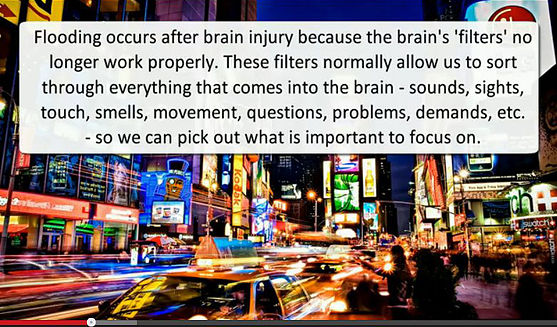
Sensory overstimulation — often called “flooding” — is a condition frequently experienced after traumatic brain injury. It occurs when the brain has difficulty filtering and processing incoming sensory information, resulting in overwhelm, fatigue, and cognitive overload. The brain must manage both external stimuli (sight, sound, smell, taste, and touch) and internal stimuli (thoughts, emotions, pain, and body awareness). After a brain injury, the ability to prioritize and regulate these inputs may be significantly impaired, and everyday environments that most people move through without a second thought can become mentally exhausting.
Common Symptoms of Sensory Overload in Brain Injury Survivors
Sensory overload after brain injury tends to manifest in patterns that can be hard to explain to people who haven’t experienced them. Increased sensitivity to noise, light, or crowds is common, as is feeling overwhelmed or anxious during routine tasks that once required no effort at all. Difficulty concentrating when multiple sounds are present, impaired decision-making when too much information is coming in at once, severe mental or physical fatigue from sustained sensory processing, and irritability or frustration linked to overstimulation are all typical. What makes this particularly difficult is that these symptoms often look like mood or behavioral problems from the outside, when in reality they reflect the brain working harder than it was designed to work.
My Personal Experience With Sensory Overload
In December 2017, I experienced another tonic-clonic seizure that resulted in a mild traumatic brain injury. Tasks that once felt basic — holding conversations, focusing on a television program, or running routine errands — became increasingly difficult. Sensory overload quickly became a daily and ongoing challenge. This led to extensive personal research and a focused effort to understand how sensory overload manifests after brain injury and how it can be managed effectively.
Resources and Support for Sensory Overload and Brain Injury
- Brain Injury Explanation – Extensive, well-organized information on brain injury symptoms, recovery considerations, and practical management strategies.
- Understanding Sensory Processing Issues in PTSD – NIH
- Brain Injury Association of America – National education, advocacy, and research.
- CDC Traumatic Brain Injury Resources
- Concussion Legacy Foundation – Research and support for concussion and post-concussion syndrome.
Managing Sensory Overstimulation After Brain Injury
Managing sensory overload is less about eliminating sensory input and more about learning to regulate exposure thoughtfully. Dimming lighting and reducing screen brightness reduces one significant source of strain. Noise-canceling headphones in loud environments can change an unbearable situation into a manageable one. Scheduling regular rest periods before reaching the point of overwhelm — rather than pushing through until a crash — is a discipline worth building. Limiting notifications and screen exposure, particularly during periods of cognitive fatigue, gives the brain room to recover. Identifying personal triggers over time, through careful observation, allows for better planning. Controlled breathing, meditation, and weighted blankets have all shown value for some individuals in reducing the physiological stress response that accompanies sensory flooding.
Final Thoughts
Living with sensory overload related to brain injury presents ongoing challenges, but support and effective strategies do exist. Education, shared experience, and access to reliable resources can make a meaningful difference. Stay informed. Stay engaged. Continue advocating.
Want the complete Epilepsy Support Guide?
Seizure types and triggers, medication management, SUDEP awareness, seizure first aid, and how to find quality medical care, all in one free guide.
Disclaimer
This content is for informational purposes only and is not a substitute for professional medical advice, diagnosis, or treatment. Always consult a qualified healthcare professional before making any changes to your health regimen, including medications, diet, exercise, or supplementation. David Julian, Natural Vitality Advocate, is not a licensed medical professional. Views expressed are personal and based on lived experience — they do not guarantee specific outcomes. David Julian is not affiliated with Natural Vitality or NaturalVitality.com.